
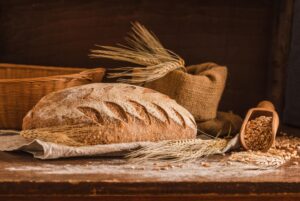
Choosing Cleaner European Flours: Organic, Ancient Grains & Lower Glyphosate Exposure
Many health-conscious consumers are looking beyond conventional flour and seeking organic, heritage, and European-grown grains. While scientific debate continues regarding the full health effects of glyphosate exposure, many people prefer to reduce their intake whenever practical.
One area of ongoing research concerns glyphosate’s potential effects on the gut microbiome and kidney health. Although researchers have not established that glyphosate is the cause of gluten intolerance or celiac disease, many consumers believe reducing glyphosate exposure has improved their overall digestive health and well-being.
Why Some People Choose European Flour
- Organic production standards.
- Ancient grains such as einkorn and spelt (farro).
- Greater emphasis on traceability by many traditional mills.
- Some mills specifically test for glyphosate residues.
- Stone-milled production that preserves more of the grain.
It should be noted that imported European flour is not automatically glyphosate-free. The best choice is to purchase products that are certified organic and, where possible, tested for pesticide residues.
Recommended Suppliers & Mills
- Jovial Foods – Organic Italian Einkorn Flour.
https://jovialfoods.com/ - Molini De Vita (Italy) – Offers certified Italian flour with documented testing programs for pesticide and glyphosate residues.
https://www.molinidevita.it/en/ - Mulino Marino (Italy) – Organic stone-ground Italian flours.
https://www.mulinomarino.it/ - Polselli (Italy) – Traditional Italian mill producing spelt, pizza and artisan baking flours.
https://www.polselli.it/ - Doves Farm (United Kingdom) – Long-established producer of organic spelt and heritage grain flours.
https://www.dovesfarm.co.uk/ - Pure Flour From Europe – Information on European organic flour producers exporting internationally.
https://pureflourfromeurope.us/
Ancient Grains Worth Considering
- Einkorn
- Spelt (Farro)
- Emmer
- Kamut® (Khorasan wheat)
- Rye
Many home bakers also report excellent results using long-fermented sourdough techniques, which may improve digestibility for some individuals. This should not be confused with treatment for celiac disease, where complete avoidance of gluten remains medically necessary.
Final Thoughts
If you enjoy bread but want to reduce unnecessary chemical exposure, choosing certified organic flour from reputable mills—especially those providing residue testing and full traceability—is a practical step. Ancient grains such as einkorn and spelt have also become increasingly popular among artisan bakers seeking more traditional varieties of wheat.
Disclaimer: This article is for educational purposes only and should not be considered medical advice. Current scientific evidence has not established glyphosate as the cause of gluten intolerance or celiac disease, although research into glyphosate’s broader health effects remains ongoing.
“`